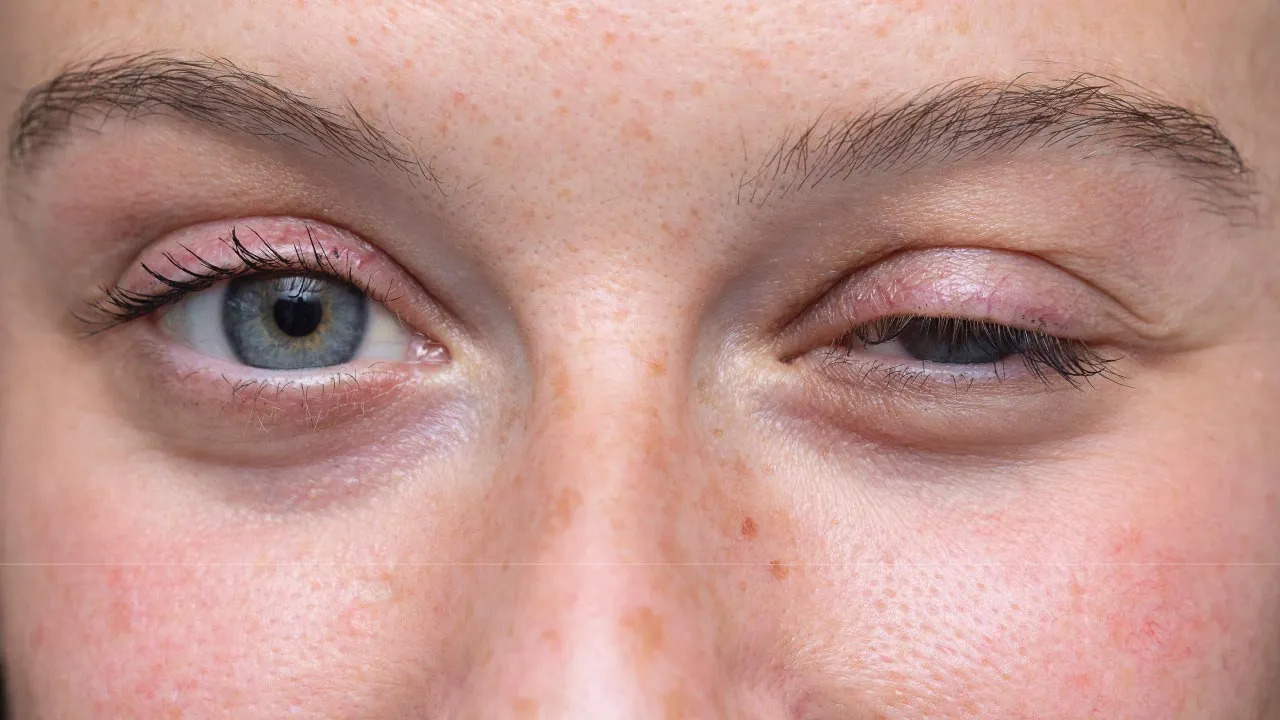
Most people experience occasional eyelid twitching at some point in their lives, often due to stress, fatigue, or excessive caffeine intake. However, when blinking becomes frequent, forceful, and uncontrollable, it may indicate a condition known as blepharospasm.
Blepharospasm is a neurological movement disorder that causes involuntary contractions of the muscles responsible for closing the eyelids. These spasms can become severe enough to interfere with daily activities such as reading, driving, working, and even walking.
According to Dr. Jyoti Batra Ohri, Oculoplastic Surgeon, early diagnosis and appropriate treatment can significantly improve symptoms and quality of life for individuals affected by blepharospasm.
What Is Blepharospasm?
Blepharospasm, also known as benign essential blepharospasm, is a condition characterized by repetitive, involuntary contractions of the eyelid muscles.
The condition usually affects both eyes and often develops gradually over time.
Initially, symptoms may be mild, but in some individuals, spasms become more frequent and severe, causing functional vision impairment due to forced eyelid closure.
What Causes Blepharospasm?
The exact cause is not fully understood, but blepharospasm is believed to involve abnormal functioning of the areas of the brain responsible for controlling muscle movements.
Several factors may contribute to symptom development or worsening, including:
- Stress
- Fatigue
- Lack of sleep
- Bright light exposure
- Eye irritation
- Dry eyes
- Certain neurological conditions
In most cases, blepharospasm develops without an identifiable underlying cause.
Symptoms Of Blepharospasm
Symptoms often begin gradually and may worsen over time.
Common signs include:
- Excessive blinking
- Frequent involuntary eyelid twitching
- Increased sensitivity to light
- Eye irritation
- Dry eyes
- Difficulty keeping the eyes open
- Forceful eyelid closure
In severe cases, patients may experience episodes where their eyes remain closed for several seconds or longer.
How Is Blepharospasm Different From A Simple Eye Twitch?
A common eyelid twitch usually:
- Affects one eye
- Is temporary
- Resolves on its own
- Is often linked to stress or fatigue
Blepharospasm differs because:
- It is persistent
- Usually affects both eyes
- Causes repetitive muscle contractions
- Can interfere with normal vision and daily activities
Persistent symptoms should be evaluated by an eye specialist.
Who Is More Likely To Develop Blepharospasm?
Blepharospasm is more commonly seen in:
- Adults over 50 years of age
- Women more than men
- Individuals with a family history of movement disorders
- Patients with chronic eye irritation or dry eyes
However, the condition can occur in a variety of individuals.
How Is Blepharospasm Diagnosed?
There is no single test that confirms blepharospasm.
Diagnosis is based on:
- Detailed medical history
- Symptom assessment
- Eye examination
- Evaluation of eyelid movements
- Exclusion of other neurological or ocular conditions
An oculoplastic surgeon plays an important role in distinguishing blepharospasm from other eyelid disorders.
Treatment Options For Blepharospasm
Treatment focuses on reducing muscle spasms and improving quality of life.
Botulinum Toxin (Botox) Injections
Botulinum toxin injections are considered the most effective first-line treatment for blepharospasm.
The medication is injected into specific eyelid muscles to temporarily reduce excessive contractions.
Benefits include:
- Reduced blinking frequency
- Improved eyelid control
- Better visual function
- Relief from involuntary spasms
Treatment effects typically last several months, after which repeat injections may be required.
Managing Trigger Factors
Certain lifestyle adjustments may help reduce symptom severity.
These include:
- Managing stress
- Getting adequate sleep
- Treating dry eyes
- Wearing sunglasses outdoors
- Limiting bright light exposure
Medications
In selected cases, medications may be prescribed, although they are generally less effective than botulinum toxin therapy.
Surgical Treatment
For severe cases that do not respond adequately to injections, surgery may be considered.
Procedures may involve removing or weakening selected eyelid muscles responsible for excessive spasms.
Dr. Jyoti Batra Ohri evaluates each patient individually to determine whether surgical intervention may be beneficial.
Living With Blepharospasm
While blepharospasm is a chronic condition, many patients achieve excellent symptom control with appropriate treatment.
Helpful measures include:
- Regular follow-up visits
- Timely repeat injections when required
- Eye lubrication
- Stress management
- Protection from bright light
Most individuals can continue their normal daily activities with proper care.
When Should You See A Specialist?
Consult an oculoplastic surgeon if you experience:
- Persistent eyelid twitching
- Frequent involuntary blinking
- Difficulty keeping your eyes open
- Light sensitivity
- Eyelid spasms affecting daily activities
Early diagnosis can prevent unnecessary delays in treatment.
Conclusion
Blepharospasm is more than a simple eye twitch. It is a neurological condition that causes involuntary eyelid muscle contractions, often affecting daily life and visual function. Although the exact cause remains unclear, effective treatments are available.
Dr. Jyoti Batra Ohri, Oculoplastic Surgeon, specializes in diagnosing and managing eyelid movement disorders, helping patients achieve better symptom control and improved quality of life through personalized treatment plans.
FAQs
Q: What Is Blepharospasm?
A: Blepharospasm is a neurological condition that causes involuntary blinking and eyelid spasms.
Q: Is Blepharospasm Serious?
A: It is not usually sight-threatening, but severe spasms can interfere with vision and daily activities.
Q: What Is The Best Treatment For Blepharospasm?
A: Botulinum toxin (Botox) injections are considered the most effective treatment for most patients.
Q: Can Stress Make Blepharospasm Worse?
A: Yes. Stress, fatigue, and lack of sleep can worsen symptoms in many individuals.
Q: Can Blepharospasm Be Cured?
A: There is no permanent cure, but symptoms can often be effectively controlled with treatment.
Experiencing frequent eyelid twitching or involuntary blinking? Consult Dr. Jyoti Batra Ohri, Oculoplastic Surgeon, for expert evaluation and advanced treatment options to help you regain comfort, confidence, and better control of your vision.

Your Search for the Best Ophthalmologist and Oculoplastic Surgeon in Delhi ends here. We are here to support you through your journey, making your experience as comfortable and positive as possible.

©Remedo2025 | DrJyotiBatra Ohri | All Rights Reserved | Digital Marketing by Remedo