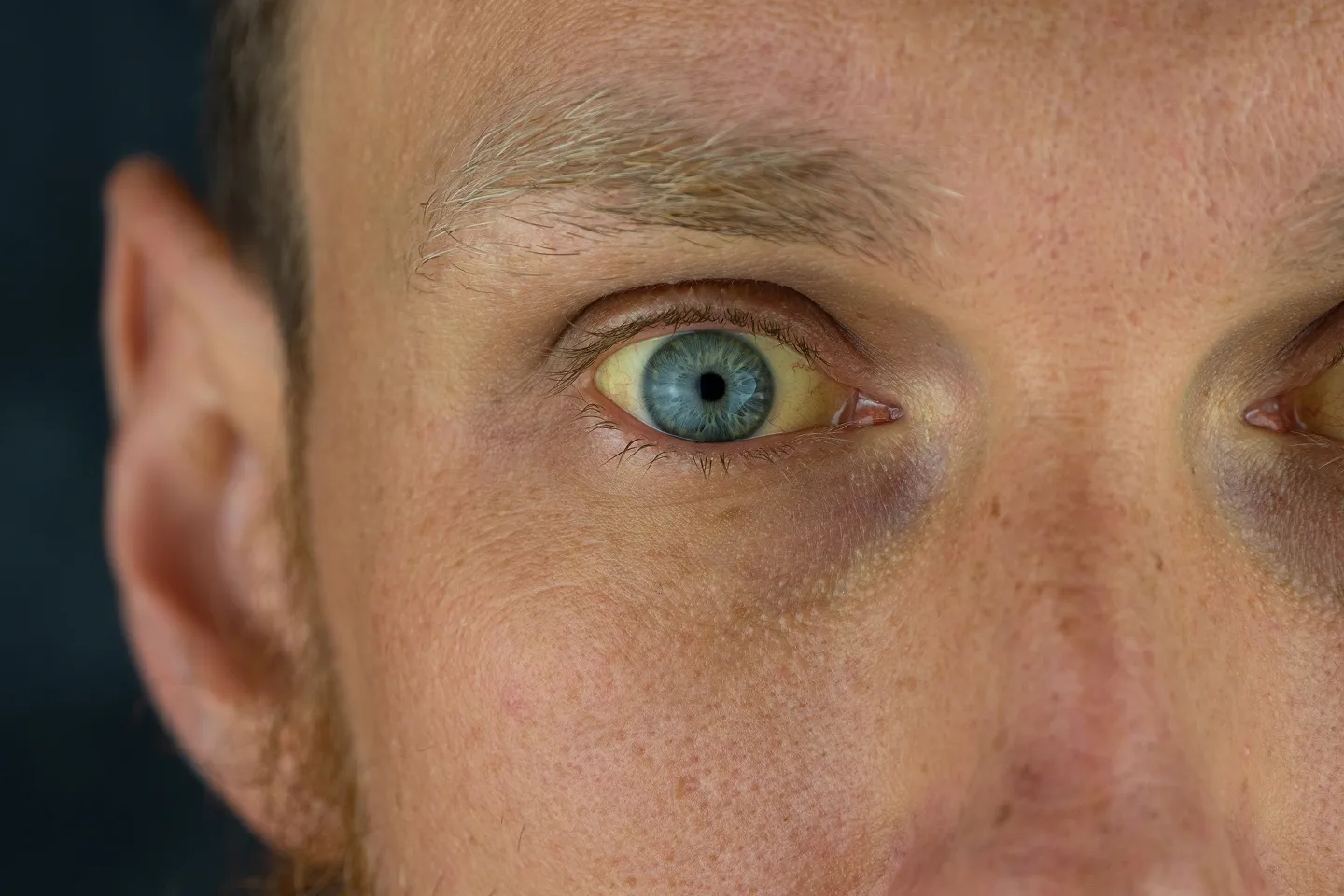
Lacrimal disorders are medical conditions that affect the tear-producing and tear-draining system of the eyes. The lacrimal system includes the lacrimal glands, which produce tears, and the tear ducts, which drain excess tears into the nose. Proper function of this system is essential for eye comfort, clear vision, and protection from infections.
Dr. Jytoi Batra Ohri, Ophthalmologist & Oculoplasty Surgeon, explains that understanding lacrimal disorders is vital because untreated problems can lead to chronic discomfort, infections, and vision complications.
How the Lacrimal System Works
The lacrimal system has two main functions:
- Tear Production: The lacrimal glands produce tears that lubricate the eyes, protect against irritants, and maintain a healthy corneal surface.
- Tear Drainage: Tears flow across the eye and drain through small openings called puncta, into the canaliculi, then into the nasolacrimal duct, finally emptying into the nose.
When any part of this system malfunctions, it can lead to excess tearing, dryness, or recurrent infections.
Common Lacrimal Disorders
- Nasolacrimal Duct Obstruction: Blockage in the tear drainage system, leading to watery eyes or recurrent infections.
- Canalicular Blockage: Narrowing or obstruction in the small canals that carry tears from the eye to the duct.
- Dacryocystitis: Infection of the tear sac, often caused by a blocked duct. Symptoms include swelling, pain, and discharge.
- Epiphora: Excessive tearing caused by obstruction, irritation, or poor drainage.
- Congenital Lacrimal Disorders: Some infants are born with blocked tear ducts, which may resolve naturally or require intervention.
Causes of Lacrimal Disorders
- Aging: Tear ducts may narrow or become blocked with age.
- Infections: Bacterial or viral infections can lead to swelling and blockage.
- Inflammation: Chronic eye conditions or trauma can cause obstruction.
- Congenital Conditions: Some children are born with narrow or blocked tear ducts.
- Tumors or Growths: Rarely, growths near the lacrimal system can interfere with tear flow.
Symptoms to Watch For
Patients with lacrimal disorders may experience:
- Persistent watering of the eyes
- Recurrent eye infections or conjunctivitis
- Swelling near the inner corner of the eye
- Discharge or pus from the tear sac
- Irritation or discomfort on blinking
- Blurred vision due to excess tearing
If any of these symptoms are present, early evaluation by an ophthalmologist or oculoplasty specialist is important.
Diagnosis and Treatment Options
Dr. Jytoi Batra Ohri emphasizes that proper diagnosis is the first step in treatment. Common diagnostic methods include:
- Fluorescein Dye Test: Checks tear drainage efficiency.
- Lacrimal Syringing: Tests for blockages in the tear duct system.
- Imaging: CT scans or dacryocystography to evaluate the lacrimal anatomy.
Treatment options depend on the type and severity of the disorder:
- Conservative Management: Warm compresses, massage, and antibiotics for mild blockages or infections.
- Dacryocystorhinostomy (DCR): Surgical creation of a new tear drainage pathway for blocked ducts.
- Stenting: Temporary tubes to maintain duct patency.
- Laser or Endoscopic Procedures: Minimally invasive options for certain obstructions.
- Pediatric Interventions: Gentle massage or minor procedures for congenital blockages.
FAQs On Lacrimal Disorders
1.Are lacrimal disorders common in children?
Yes. Many infants are born with blocked tear ducts. Most resolve naturally, but persistent cases may require minor procedures.
2. Can untreated lacrimal disorders lead to complications?
Yes. Chronic blockage can cause recurrent infections, discomfort, and in rare cases, vision problems.
3. Is surgery always necessary?
Not always. Mild cases may improve with conservative care. Surgery is recommended for persistent or complicated blockages.
4. How long does recovery take after tear duct surgery?
Recovery is generally quick, with most patients returning to normal activities within one to two weeks.
5. Can adults develop lacrimal disorders later in life?
Yes. Aging, infections, or trauma can lead to acquired lacrimal disorders in adults.
6. How can I prevent tear duct infections?
Maintain eye hygiene, avoid rubbing the eyes, and seek early evaluation for persistent watering or discharge.
Expert Guidance from Dr. Jytoi Batra Ohri
The lacrimal system plays a vital role in eye health, comfort, and vision. Timely evaluation and proper management of tear duct problems can prevent infections, reduce discomfort, and preserve eye function.
Dr. Jytoi Batra Ohri, Ophthalmologist & Oculoplasty Surgeon, provides comprehensive care for patients with lacrimal disorders, offering personalized treatment plans using both conservative and advanced surgical techniques.
Book a Consultation with Dr. Jytoi Batra Ohri Today
Early detection and expert care ensure your eyes remain comfortable, healthy, and infection-free. Don’t let tear duct problems affect your vision or daily life. Trust Dr. Jytoi Batra Ohri to provide compassionate and effective care.

Your Search for the Best Ophthalmologist and Oculoplastic Surgeon in Delhi ends here. We are here to support you through your journey, making your experience as comfortable and positive as possible.

©Remedo2025 | DrJyotiBatra Ohri | All Rights Reserved | Digital Marketing by Remedo