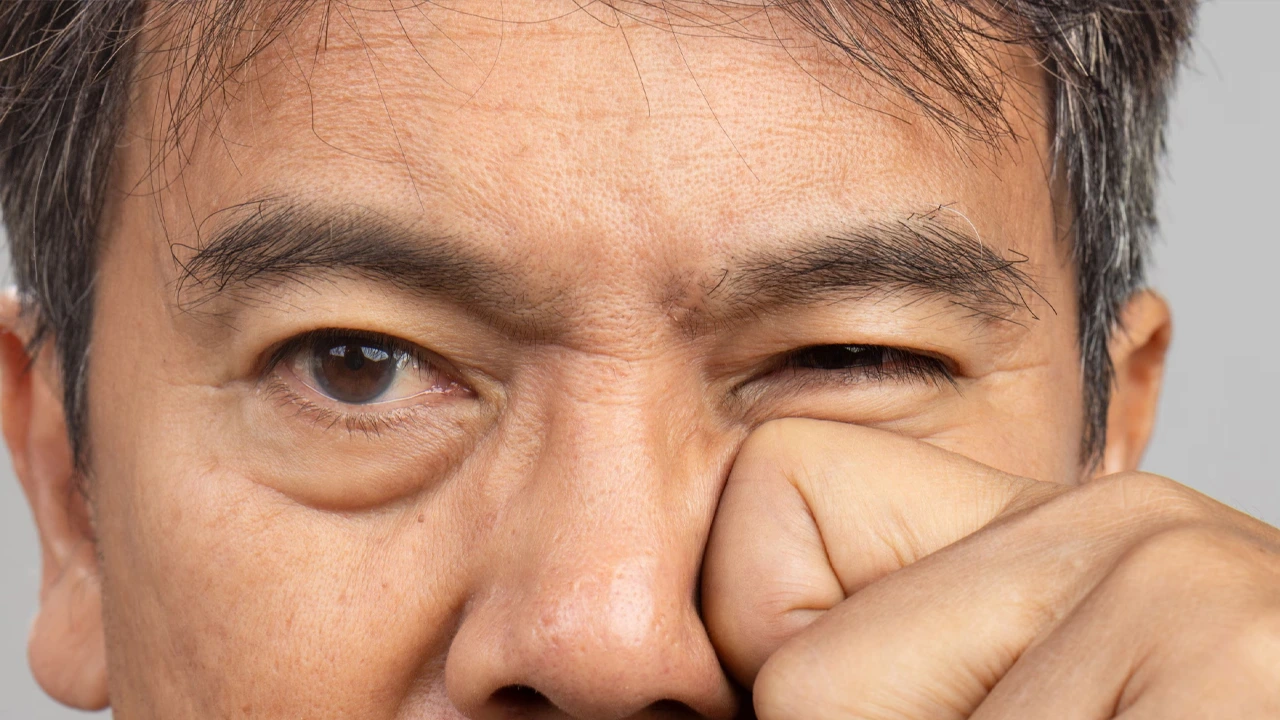
Eye twitching is a common experience that most people face at some point in their lives. While it may seem minor, persistent twitching can become frustrating and sometimes worrying. One of the most frequent causes behind this condition is myokymia, which involves involuntary eyelid muscle movements. In this detailed guide, Dr. Jyoti Batra Ohri explains the causes, symptoms, and treatment options for myokymia and when you should seek medical advice.
What Is Myokymia?
Myokymia refers to fine, continuous, involuntary contractions of the eyelid muscles. It most commonly affects the lower eyelid, although the upper eyelid can also be involved. These muscle twitches are usually subtle and may feel like a gentle flutter or vibration.
According to Dr. Jyoti Batra Ohri, eyelid myokymia is typically benign and temporary. It often resolves on its own without the need for medical treatment, especially when underlying triggers are addressed.
Why Does Myokymia Occur
Myokymia is often linked to lifestyle factors rather than serious medical conditions. The eyelid muscles are highly sensitive, and even small changes in routine or health can trigger twitching.
Common Causes Include:
- Stress and anxiety: Emotional stress is one of the leading triggers
- Fatigue: Lack of proper sleep can overstimulate eye muscles
- Excess caffeine intake: Coffee, tea, and energy drinks can increase nerve activity
- Prolonged screen time: Digital eye strain from phones and computers
- Dry eyes: Reduced lubrication can irritate the eyelids
- Nutritional deficiencies: Especially magnesium imbalance
Dr. Jyoti Batra Ohri emphasizes that identifying these triggers early can help in quick recovery and prevention of recurrence.
Symptoms Of Myokymia
Myokymia is generally easy to recognize and does not usually interfere with vision.
Common Symptoms:
- Repetitive twitching of the eyelid
- Mild fluttering or pulsing sensation
- Episodes lasting a few seconds to minutes
- Intermittent occurrence throughout the day
- Increased frequency during stress or fatigue
Although painless, the sensation can be distracting, especially if it continues for several days.
When Should You Be Concerned
In most cases, myokymia is harmless. However, persistent or unusual symptoms may indicate a more serious issue.
Seek Medical Attention If:
- Twitching lasts for several weeks
- The twitching spreads to other parts of the face
- There is drooping of the eyelid
- Redness, swelling, or pain develops
- Vision becomes affected
Dr. Jyoti Batra Ohri advises that these symptoms should not be ignored, as they may require further evaluation.
Diagnosis Of Myokymia
Diagnosis of myokymia is primarily clinical and based on patient history and symptoms.
During consultation, Dr. Jyoti Batra Ohri may assess:
- Duration and frequency of twitching
- Daily habits such as caffeine intake and screen use
- Stress levels and sleep patterns
- Any associated eye conditions
In rare cases, additional investigations may be recommended to rule out neurological conditions, especially if symptoms are atypical.
Treatment Options For Myokymia
Most cases of myokymia improve with simple lifestyle changes and do not require aggressive treatment.
Lifestyle Modifications
Making small adjustments can significantly reduce symptoms:
- Ensure 7 to 8 hours of quality sleep
- Reduce stress through relaxation techniques
- Limit caffeine consumption
- Take regular breaks from screens using the 20-20-20 rule
Eye Care Measures
Proper eye care can help relieve irritation:
- Use lubricating eye drops for dryness
- Avoid excessive rubbing of the eyes
- Maintain good eye hygiene
Medical Treatment
If symptoms persist or become severe, treatment options may include:
- Medications in rare cases
- Botulinum toxin injections for chronic twitching
Dr. Jyoti Batra Ohri ensures that treatment is personalized based on the severity and underlying cause.
How To Prevent Myokymia
Prevention focuses on maintaining a balanced and healthy lifestyle.
Simple Preventive Tips:
- Follow a consistent sleep schedule
- Manage stress through yoga or meditation
- Stay hydrated throughout the day
- Maintain a nutritious diet
- Practice healthy screen habits
Adopting these habits can not only prevent myokymia but also improve overall eye health.
Myokymia Vs Other Eye Conditions
It is important to distinguish myokymia from other conditions that may appear similar.
- Blepharospasm: Involves forceful and repeated eyelid closure
- Hemifacial spasm: Affects one side of the face and may involve multiple muscles
Dr. Jyoti Batra Ohri highlights that accurate diagnosis is essential to ensure appropriate treatment and avoid unnecessary worry.
Impact On Daily Life
While myokymia is not dangerous, it can affect concentration and productivity, especially in individuals who spend long hours on screens. Persistent twitching may also cause anxiety, further worsening the condition.
Managing stress and maintaining a healthy routine can help break this cycle and promote faster recovery.
FAQs
Q: Is myokymia serious?
A: No, it is usually a harmless and temporary condition.
Q: How long does eyelid twitching last?
A: It can last from a few days to a few weeks, depending on the cause.
Q: Can stress cause myokymia?
A: Yes, stress is one of the most common triggers.
Q: When should I see a doctor?
A: If twitching persists, worsens, or is associated with other symptoms.
Q: Can myokymia be treated?
A: Yes, most cases improve with lifestyle changes, while severe cases may require medical treatment.
Conclusion
Myokymia is a common, usually harmless condition that causes eyelid twitching. In most cases, it is temporary and resolves with simple lifestyle changes. However, persistent or unusual symptoms should not be ignored.
With expert guidance from Dr. Jyoti Batra Ohri, best Oculoplastic Surgeon patients can identify triggers, manage symptoms effectively, and prevent recurrence. Early attention to symptoms ensures peace of mind and better eye health.

Your Search for the Best Ophthalmologist and Oculoplastic Surgeon in Delhi ends here. We are here to support you through your journey, making your experience as comfortable and positive as possible.

©Remedo2025 | DrJyotiBatra Ohri | All Rights Reserved | Digital Marketing by Remedo