Introduction
Congenital eyelid disorders are conditions that affect the eyelids and are present at birth or become noticeable shortly after birth. While some of these conditions are mild and mainly cosmetic, others can interfere with normal visual development and eye health if left untreated. Eyelids play a vital role in protecting the eyes, maintaining proper lubrication, and ensuring clear vision.
According to Dr. Jyoti Batra Ohri, early identification and appropriate management of congenital eyelid disorders are essential to prevent long-term visual complications such as lazy eye, refractive errors, or corneal damage. Parents should be aware of these conditions so they can seek specialist evaluation at the right time and ensure healthy eye development for their child.
What Are Congenital Eyelid Disorders?
Congenital eyelid disorders refer to abnormalities in the structure, position, or function of the eyelids that develop before birth. These conditions may involve the upper eyelid, lower eyelid, or both and can affect one or both eyes.
Some congenital eyelid disorders occur in isolation, while others may be associated with genetic syndromes or broader developmental conditions. The severity of these disorders can vary widely, ranging from minor cosmetic concerns to serious conditions that obstruct vision and require early intervention.
Common Congenital Eyelid Disorders In Children
Congenital Ptosis
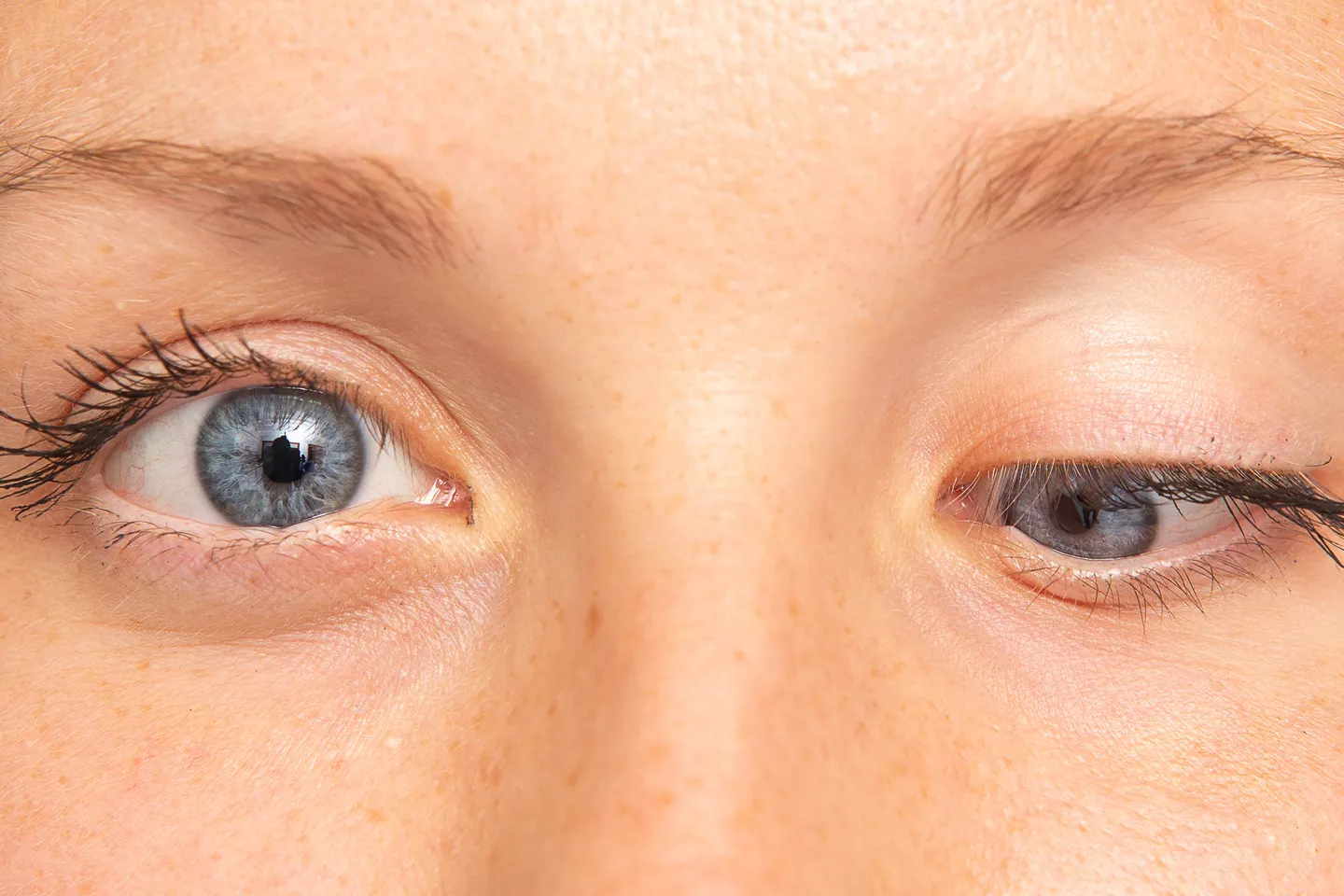
Congenital ptosis refers to drooping of the upper eyelid that is present at birth. It occurs due to poor development or weakness of the muscle responsible for lifting the eyelid. The drooping may affect one eye or both eyes and can range from mild to severe.
Dr. Jyoti Batra Ohri explains that severe ptosis can partially or completely block the visual axis, increasing the risk of amblyopia or lazy eye. Children with significant ptosis may adopt an abnormal head posture, such as tilting the head backward, to see better.
Epicanthal Folds
Epicanthal folds are extra skin folds located near the inner corners of the eyes. They are commonly seen in infants and young children and are often a normal developmental feature. In most cases, epicanthal folds reduce as the nasal bridge develops with age.
These folds usually do not interfere with vision and rarely require treatment unless associated with other eyelid or facial abnormalities.
Congenital Entropion
Congenital entropion occurs when the eyelid turns inward, causing the eyelashes to rub against the surface of the eye. This constant friction can lead to eye irritation, excessive tearing, redness, and discomfort.
If left untreated, congenital entropion can cause corneal injury or infection. Early evaluation helps determine whether observation, lubrication, or surgical correction is required.
Congenital Ectropion
Congenital ectropion is a rare condition in which the eyelid turns outward, exposing the inner eyelid and eye surface. This exposure can lead to dryness, redness, irritation, and increased risk of infection.
Children with congenital ectropion may require regular lubrication and, in some cases, surgical correction to protect the eye and maintain comfort.
Eyelid Coloboma
Eyelid coloboma is a congenital defect characterized by partial or complete absence of eyelid tissue. Depending on its size and location, it may expose the eye and increase the risk of dryness, injury, and infection.
Early surgical repair is often recommended to protect the eye and support normal visual development.
Symptoms Parents Should Watch For
Parents should seek medical advice if they notice any of the following signs in their child:
- Drooping of one or both eyelids
- Uneven or asymmetrical appearance of the eyes
- Excessive tearing or persistent eye redness
- Frequent eye rubbing or signs of irritation
- Difficulty opening the eyes fully
- Abnormal head posture such as chin elevation
- Signs of poor vision or delayed visual responses
Dr. Jyoti Batra Ohri emphasizes that early signs may be subtle and easily overlooked, but prompt evaluation can make a significant difference in visual outcomes.
How Congenital Eyelid Disorders Are Diagnosed
Diagnosis involves a thorough eye and eyelid examination performed by a specialist. This includes:
- Detailed assessment of eyelid position and movement
- Evaluation of vision and eye alignment
- Measurement of eyelid muscle function
- Examination of the cornea and eye surface
- Screening for associated eye or systemic conditions
Regular follow-up visits are important to monitor visual development and ensure timely intervention when needed.
Treatment Options For Congenital Eyelid Disorders
- Treatment depends on the specific condition, its severity, and its impact on vision.
- Mild cases may only require observation and regular monitoring
- Lubricating eye drops or ointments may be prescribed to protect the eye surface
- Surgical correction is recommended when vision is threatened or symptoms are significant
Dr. Jyoti Batra Ohri individualizes treatment plans to achieve the best functional results while also considering cosmetic outcomes and the child’s overall development.
Importance Of Early Treatment
If left untreated, congenital eyelid disorders can lead to several complications, including:
- Amblyopia or lazy eye
- Refractive errors
- Corneal damage or scarring
- Delayed visual development
Early diagnosis and timely treatment help ensure normal visual growth, protect eye health, and improve long-term outcomes.
Frequently Asked Questions
Do all congenital eyelid disorders need surgery?
No. Many mild conditions improve with growth and only require monitoring.
At what age is surgery recommended?
Surgery is performed early if vision is affected. Otherwise, timing is decided based on the child’s needs.
Can these conditions affect both eyes?
Yes, some congenital eyelid disorders may involve both eyes.
Will my child’s vision be normal after treatment?
With early diagnosis and proper management, most children achieve good visual outcomes.
Conclusion
Congenital eyelid disorders in children range from minor cosmetic issues to conditions that can significantly affect vision. Awareness, early diagnosis, and appropriate treatment are essential to prevent long-term complications.
Dr. Jyoti Batra Ohri stresses that parents should seek specialist evaluation whenever eyelid abnormalities are noticed, ensuring healthy eye development and optimal vision for their child.
If your child has drooping eyelids, eye irritation, or visible eyelid abnormalities, consult Dr. Jyoti Batra Ohri for expert evaluation and compassionate, child-friendly eye care. Early attention ensures healthy vision and proper eye development.
Your Search for the Best Ophthalmologist and Oculoplastic Surgeon in Delhi ends here. We are here to support you through your journey, making your experience as comfortable and positive as possible.

©Remedo2025 | DrJyotiBatra Ohri | All Rights Reserved | Digital Marketing by Remedo