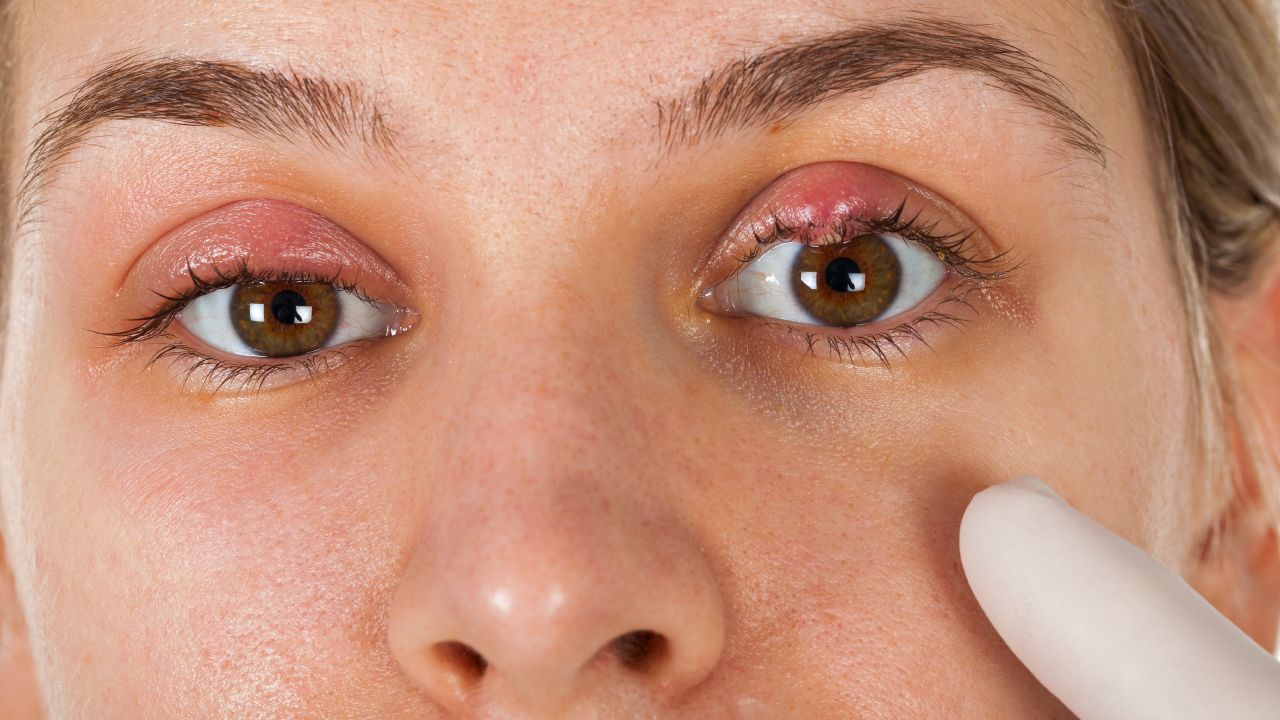
Styes are common eyelid infections that usually appear as small, painful swellings near the edge of the eyelid. They typically develop due to bacterial infection of the oil-producing glands in the eyelids and often resolve with simple treatment such as warm compresses, eyelid hygiene, and topical medication. However, when styes keep recurring or fail to heal completely, they may indicate an underlying issue that requires further medical evaluation. In some cases, surgical treatment becomes necessary to prevent recurrence, relieve discomfort, and protect long-term eye health.
According to Dr. Jyoti Batra Ohri, early evaluation of recurrent styes is important to ensure accurate diagnosis, effective treatment, and prevention of complications that could affect vision or eyelid function.
What Causes Recurrent Styes
Recurrent styes usually develop because of repeated blockage or infection of the oil glands (meibomian glands) present in the eyelids. These glands help maintain proper tear film and eye lubrication. When they become blocked, bacteria can multiply, leading to inflammation and infection.
Several factors may contribute to repeated styes:
- Chronic blepharitis, which causes persistent eyelid inflammation
- Poor eyelid hygiene or incomplete removal of eye makeup
- Diabetes or weakened immune system increasing infection risk
- Meibomian gland dysfunction causing oil secretion problems
- Stress, fatigue, and nutritional deficiencies affecting immunity
- Frequent touching or rubbing of the eyes with unclean hands
Addressing these underlying factors plays a crucial role in preventing recurrence.
Symptoms That Should Not Be Ignored
While most styes are minor and resolve with basic care, certain symptoms indicate the need for medical evaluation. Persistent swelling, repeated infections, or increasing discomfort should not be ignored.
Warning signs include:
- Stye lasting more than two weeks despite treatment
- Recurrence in the same eyelid area
- Increased redness, pain, or swelling
- Development of a painless firm lump (chalazion)
- Blurred vision or heaviness of the eyelid
- Discharge, crusting, or irritation affecting daily activities
Prompt consultation helps prevent complications and ensures appropriate treatment.
When Conservative Treatment May Not Be Enough
Initial treatment for styes usually includes warm compresses, antibiotic ointments, anti-inflammatory medication, and eyelid hygiene measures. These treatments help reduce infection and promote natural drainage of blocked glands.
However, conservative management may not be sufficient when:
- The stye becomes chronic or persistent
- Recurrent episodes occur despite preventive care
- Chalazion formation leads to cosmetic or functional concerns
- Vision is affected due to eyelid swelling
- There is suspicion of another eyelid condition
In such cases, further intervention may be recommended by an eye specialist.
When Surgery Is Recommended
Surgical treatment is considered when a stye or chalazion does not resolve with medication or repeatedly returns. The procedure typically involves incision and drainage or removal of the blocked gland under local anesthesia. It is generally a minor day-care procedure performed safely with minimal discomfort.
Surgery may be advised if:
- The lesion persists for several weeks
- Recurrent styes affect quality of life
- Cosmetic appearance becomes a concern
- There is discomfort, heaviness, or visual obstruction
- Tissue examination is needed to rule out other conditions
Most patients recover quickly after the procedure with appropriate postoperative care.
Preventing Recurrence After Treatment
Preventive measures are essential to reduce the likelihood of future styes. Maintaining eyelid hygiene and managing underlying health conditions significantly lowers recurrence risk.
Helpful preventive strategies include:
- Regular eyelid cleaning with recommended solutions
- Warm compresses to prevent gland blockage
- Proper removal of eye makeup before sleeping
- Avoiding sharing eye cosmetics or personal towels
- Managing systemic conditions such as diabetes
- Maintaining balanced nutrition and adequate hydration
These simple habits support overall eye health and reduce infection risk.
Importance Of Specialist Consultation
Recurrent styes should always be evaluated by an eye specialist. Although most are benign, persistent or unusual lesions may sometimes mimic other eyelid conditions that require specific treatment. Early consultation ensures accurate diagnosis, timely intervention, and prevention of complications.
Professional evaluation helps with:
- Identifying underlying causes
- Choosing appropriate treatment options
- Preventing repeated infections
- Protecting vision and eyelid health
Timely medical care improves comfort, cosmetic outcomes, and overall eye wellness.
Why Consult Dr. Jyoti Batra Ohri
Dr. Jyoti Batra Ohri provides expert evaluation and advanced management for eyelid disorders, including recurrent styes and chalazia. With a patient-focused approach, the goal is to offer effective treatment, preventive guidance, and long-term eye health support.
Early consultation ensures:
- Accurate diagnosis
- Personalized treatment planning
- Safe and effective surgical care when needed
- Preventive strategies to avoid recurrence
If you are experiencing repeated styes, persistent eyelid swelling, or discomfort affecting daily life, timely specialist consultation can help ensure proper treatment and lasting relief.

Your Search for the Best Ophthalmologist and Oculoplastic Surgeon in Delhi ends here. We are here to support you through your journey, making your experience as comfortable and positive as possible.

©Remedo2025 | DrJyotiBatra Ohri | All Rights Reserved | Digital Marketing by Remedo