Introduction
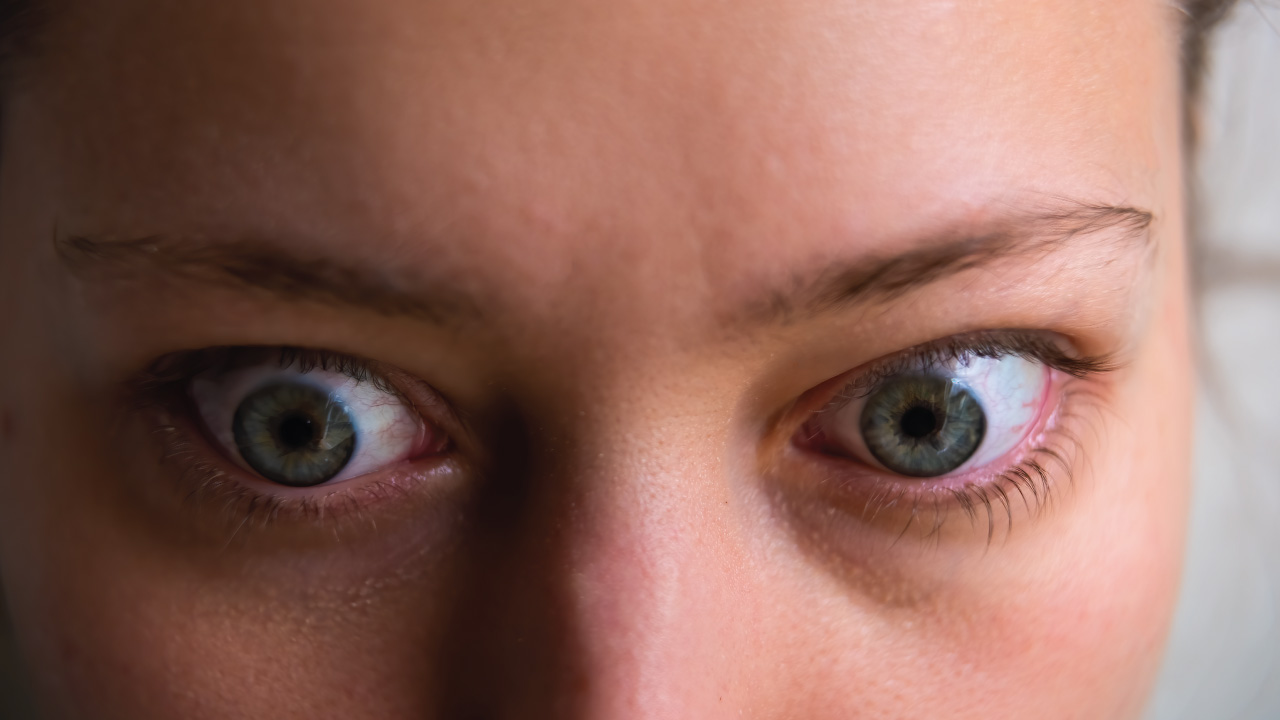
Thyroid Eye Disease (TED), also known as Graves’ orbitopathy, is an autoimmune condition that affects the tissues and muscles around the eyes. It commonly develops in people with thyroid disorders, especially hyperthyroidism, but can also occur in individuals with normal thyroid levels. The disease causes inflammation and swelling behind the eyes, leading to symptoms such as bulging eyes, dryness, excessive tearing, eye pressure, double vision, and difficulty closing the eyelids.
TED does not just impact eye health — it can also influence a person’s appearance, daily comfort, and emotional well-being. Many patients experience challenges with confidence, facial symmetry, and even simple activities like reading or driving due to vision disturbances. Early diagnosis and comprehensive treatment are essential to prevent long-term complications.
Oculoplasty, a specialized branch of ophthalmic surgery, plays a crucial role in managing Thyroid Eye Disease. It focuses on restoring proper eyelid function, reducing eye bulging, correcting double vision, and improving overall appearance. With modern techniques, oculoplasty offers both functional relief and aesthetic enhancement, helping patients regain comfort, clarity, and confidence.
What Is Thyroid Eye Disease?
Thyroid Eye Disease occurs when the body’s immune system mistakenly attacks the muscles and tissues around the eyes. This causes:
- Swelling and inflammation of the eyelids and eye muscles
- Accumulation of tissue and fat behind the eye
- Forward displacement of the eyeball (proptosis or bulging)
- Changes in eyelid position
TED can affect one or both eyes and varies in severity from mild discomfort to vision-threatening complications.
Common Symptoms of Thyroid Eye Disease
- Eye Bulging (Proptosis): The most noticeable symptom, often leading to a staring appearance
- Dry, Irritated Eyes: Due to incomplete eyelid closure or swelling
- Double Vision (Diplopia): Caused by misalignment of the eye muscles
- Redness and Swelling: Around the eyes and eyelids
- Sensitivity to Light (Photophobia): Eyes may feel gritty or watery
- Pain or Pressure: Behind the eyes in some cases
Recognizing these symptoms early is crucial to prevent long-term complications.
How Oculoplasty Helps in Thyroid Eye Disease
Oculoplasty is a subspecialty of ophthalmology focusing on surgery of the eyelids, orbit (eye socket), and surrounding tissues. In the context of TED, oculoplasty addresses both functional issues and appearance.
1. Improving Eye Comfort
- Surgery can correct eyelid retraction, allowing the eyes to close fully and reducing dryness or irritation.
- Orbital decompression surgery relieves pressure in the eye socket, reducing pain and discomfort.
- Helps prevent exposure keratopathy, a condition where the cornea is damaged due to excessive dryness.
2. Correcting Vision Problems
- Oculoplasty can address double vision by realigning the eye muscles, restoring binocular vision.
- Reduces the risk of optic nerve compression in severe cases, protecting vision.
3. Enhancing Appearance
- Orbital decompression and eyelid surgery restore a more natural eye appearance, reducing bulging and asymmetry.
- Cosmetic improvements can enhance self-confidence and social comfort, especially in patients affected by noticeable eye changes.
4. Multistage Treatment Approach
- TED often requires a stepwise approach, addressing active inflammation first with medications and stabilizing thyroid function.
- Once the disease is inactive, oculoplasty procedures are performed for functional and cosmetic improvement.
Preventive and Supportive Measures
While surgery is effective for structural changes, certain measures help manage symptoms:
- Lubricating eye drops to relieve dryness
- Sleeping with the head elevated to reduce swelling
- Smoking cessation, as smoking worsens TED
- Regular monitoring by both endocrinologists and oculoplasty specialists
FAQs About Thyroid Eye Disease and Oculoplasty
1. Can TED be treated without surgery?
Mild cases may improve with medication, steroid therapy, or supportive measures. Surgery is usually reserved for moderate to severe cases or those with vision-threatening complications.
2. Is oculoplasty painful?
Most procedures are performed under general or local anesthesia. Post-operative discomfort is usually manageable with medication, and recovery is gradual.
3. How long does it take to recover from oculoplasty?
Initial healing typically occurs within a few weeks, though final results may take several months as swelling subsides.
4. Will surgery fully restore my appearance?
Oculoplasty can significantly improve appearance and symmetry, though results may vary depending on disease severity. Multiple procedures may sometimes be required.
5. Can TED recur after surgery?
Surgery is most effective when the disease is inactive. Proper thyroid management and monitoring reduce the risk of recurrence.
Conclusion
Thyroid Eye Disease can significantly affect both eye function and appearance, impacting comfort, vision, and self-esteem. Oculoplasty offers effective solutions, improving eyelid function, reducing eye bulging, correcting double vision, and enhancing cosmetic outcomes.
With early intervention, expert care, and personalized surgical planning, patients can regain eye comfort and confidence.
If You Are Experiencing Eye Bulging, Double Vision, or Discomfort Due to Thyroid Eye Disease, Schedule a Consultation With Dr. Jyoti Batra Ohri. Early Assessment and Expert Oculoplasty Can Improve Your Eye Health and Restore a Natural Appearance.
Your Search for the Best Ophthalmologist and Oculoplastic Surgeon in Delhi ends here. We are here to support you through your journey, making your experience as comfortable and positive as possible.

©Remedo2025 | DrJyotiBatra Ohri | All Rights Reserved | Digital Marketing by Remedo