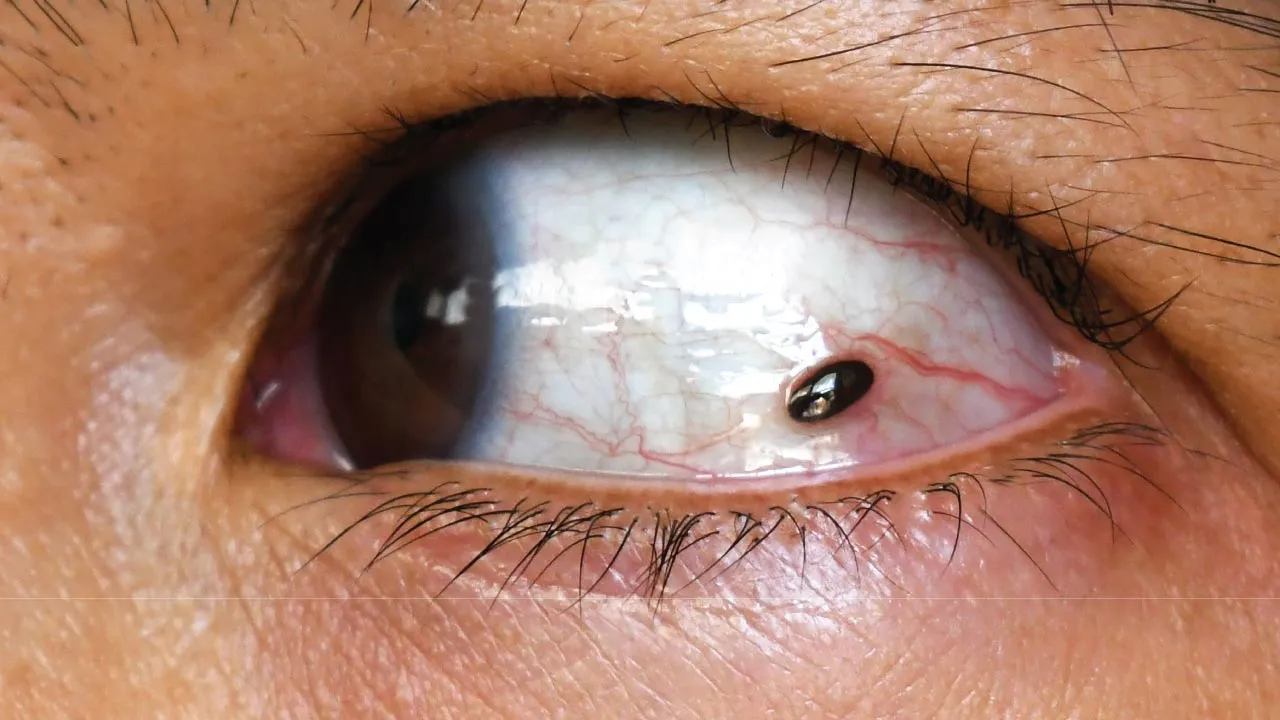
Our eyes are delicate and highly complex organs that help us experience the world around us every day. While many people are familiar with common eye conditions such as cataracts or dry eyes, ocular tumors are less commonly discussed. However, they can become serious if not diagnosed and treated at the right time.
Ocular tumors are abnormal growths that may develop inside the eye or in the tissues surrounding it. Depending on their location and type, they can affect vision, eye movement, comfort, and overall eye health.
At Dr. Jyoti Batra Ohri’s Ophthalmology and Oculoplasty Center, patients receive specialized care for complex eye and orbital conditions, including ocular tumors. Early diagnosis and expert treatment can play an important role in preserving vision and preventing complications.
What Are Ocular Tumors?
Ocular tumors are abnormal masses or growths that develop in or around the eye. These tumors may be:
- Benign, meaning non-cancerous
- Malignant, meaning cancerous
Some tumors grow slowly and may not cause noticeable symptoms in the beginning, while others can progress more quickly and affect nearby structures.
Ocular tumors may develop in different parts of the eye, including:
- Eyelids
- Retina
- Iris
- Conjunctiva
- Choroid
- Orbit or eye socket
Because the eye contains delicate structures packed closely together, even a small tumor may affect vision or eye comfort.
How Do Ocular Tumors Develop?
Ocular tumors develop when certain cells inside or around the eye begin growing abnormally. Normally, the body carefully regulates how cells grow and divide. Sometimes, changes in these cells can lead to uncontrolled growth and tumor formation.
Several factors may increase the risk of developing ocular tumors, including:
- Genetic mutations
- Excessive exposure to ultraviolet light
- Increasing age
- Family history of cancer
- Weak immune system
- Previous cancers spreading to the eye
- Chronic skin damage or irritation around the eyes
In some patients, the exact cause may not always be clearly identified.
Types Of Ocular Tumors
Different types of tumors can affect different eye structures.
Eyelid Tumors
Eyelid tumors are among the more common growths affecting the eye region. They may appear as:
- Small bumps
- Thickened eyelid skin
- Pigmented spots or lesions
- Non-healing sores
- Swelling near the eyelid edge
Some eyelid growths are harmless cysts or benign lesions, while others may require prompt medical treatment.
Orbital Tumors
Orbital tumors develop within the tissues surrounding the eye inside the eye socket.
These tumors may affect eye movement, eye position, and appearance.
Possible symptoms include:
- Bulging of the eye
- Double vision
- Swelling around the eye
- Pressure or discomfort around the eye
- Retinal Tumors
Retinal tumors affect the retina, which is the light-sensitive layer at the back of the eye.
Some retinal tumors are more commonly seen in children, while others may occur in adults.
Choroidal Melanoma
Choroidal melanoma is one of the more common cancerous tumors found inside the adult eye. It develops in the choroid layer located beneath the retina.
Conjunctival Tumors
These tumors affect the conjunctiva, the thin transparent tissue covering the white part of the eye and inner eyelids.
Symptoms Of Ocular Tumors
Symptoms may vary depending on the size, location, and type of tumor. In some cases, patients may not notice symptoms right away, which is why routine eye examinations remain important.
Common warning signs may include:
- Blurred or reduced vision
- Eye redness
- Swelling around the eye
- Bulging of the eye
- Eye pain or discomfort
- Double vision
- Visible lump or growth
- Floaters or flashes of light
- Changes in pupil shape
- Drooping eyelid
Persistent or unusual eye symptoms should never be ignored.
Can Ocular Tumors Affect Vision?
Yes. Ocular tumors can interfere with the normal structures of the eye and affect vision in different ways.
Possible complications may include:
- Vision loss
- Retinal damage
- Increased pressure inside the eye
- Restricted eye movement
- Cosmetic changes around the eye
- Damage to nearby tissues
Early diagnosis often improves treatment outcomes and may help preserve eye function.
Why Early Detection Matters
Many ocular tumors can be managed more effectively when diagnosed early. Routine eye examinations may help detect abnormalities before symptoms become severe.
Early diagnosis may help:
- Preserve vision
- Prevent tumor progression
- Improve treatment success
- Reduce complications
- Detect cancer spread earlier
Patients experiencing unusual eye symptoms should seek timely medical evaluation.
How Ocular Tumors Are Diagnosed
Diagnosis usually begins with a detailed eye examination. Depending on the condition, additional tests may also be recommended.
These may include:
- Dilated eye examination
- Fundus photography
- Ultrasound imaging
- CT scan
- MRI scan
- Biopsy in selected cases
These investigations help determine the size, location, and nature of the tumor.
Treatment Options For Ocular Tumors
Treatment depends on the tumor type, severity, location, and its effect on vision and surrounding tissues.
Observation
Some small benign tumors may only require regular monitoring without immediate treatment.
Surgical Removal
Surgery may be recommended if the tumor causes symptoms, cosmetic concerns, or suspicion of cancer.
Radiation Therapy
Certain malignant tumors may be treated using radiation therapy to control tumor growth while attempting to preserve the eye whenever possible.
Laser Therapy
Laser-based treatments may sometimes help manage selected ocular tumors.
Oculoplasty And Reconstruction
After tumor removal, reconstructive procedures may help restore eyelid appearance, eye comfort, and function.
At Dr. Jyoti Batra Ohri’s clinic, treatment plans are personalized according to each patient’s condition and overall eye health.
Can Ocular Tumors Be Prevented?
Not all ocular tumors can be prevented, but certain healthy habits may help reduce risk.
Preventive measures may include:
- Wearing UV-protective sunglasses
- Limiting excessive sun exposure
- Scheduling regular eye checkups
- Seeking medical evaluation for unusual eye growths
- Maintaining overall health and wellness
Awareness and early medical attention remain extremely important.
Emotional Impact Of Ocular Tumors
An ocular tumor diagnosis can feel emotionally overwhelming for many patients and families. Concerns about vision, appearance, and long-term health are common.
Comprehensive eye care focuses not only on medical treatment but also on emotional support, patient education, and long-term well-being throughout the treatment process.
When Should You See An Eye Specialist?
You should consult an ophthalmologist if you notice:
- Persistent eye redness
- Swelling around the eye
- Sudden vision changes
- Bulging of the eye
- Eyelid lumps or growths
- Eye pain
- Double vision
- Changes in the appearance of the eye
Prompt medical attention may help reduce complications and improve outcomes.
Conclusion
Ocular tumors are abnormal growths that may develop inside the eye or surrounding tissues. While some are harmless, others may affect vision and overall eye health if not treated appropriately.
Understanding the warning signs and seeking timely medical care are important steps in protecting vision and long-term eye health.
At Dr. Jyoti Batra Ohri’s Ophthalmology and Oculoplasty Center, patients receive advanced, compassionate, and personalized care for ocular tumors and other complex eye conditions.
Frequently Asked Questions
Q: What are ocular tumors?
A: Ocular tumors are abnormal growths that develop inside the eye or surrounding tissues. They may be benign or malignant.
Q: Can ocular tumors affect vision?
A: Yes. Depending on their location and size, ocular tumors may cause blurred vision, vision loss, or other eye-related problems.
Q: What are the common symptoms of ocular tumors?
A: Symptoms may include eye swelling, redness, blurred vision, eye pain, bulging eyes, or visible growths around the eye.
Q: Are all ocular tumors cancerous?
A: No. Many ocular tumors are benign, but some can be malignant and may require prompt treatment.
Q: How are ocular tumors diagnosed?
A: Doctors may use eye examinations, imaging scans, ultrasound, MRI, CT scans, or biopsy to diagnose ocular tumors.
Q: When should I consult an ophthalmologist?
A: You should seek medical evaluation if you notice persistent eye changes, swelling, vision problems, or unusual growths near the eyes.

Your Search for the Best Ophthalmologist and Oculoplastic Surgeon in Delhi ends here. We are here to support you through your journey, making your experience as comfortable and positive as possible.

©Remedo2025 | DrJyotiBatra Ohri | All Rights Reserved | Digital Marketing by Remedo